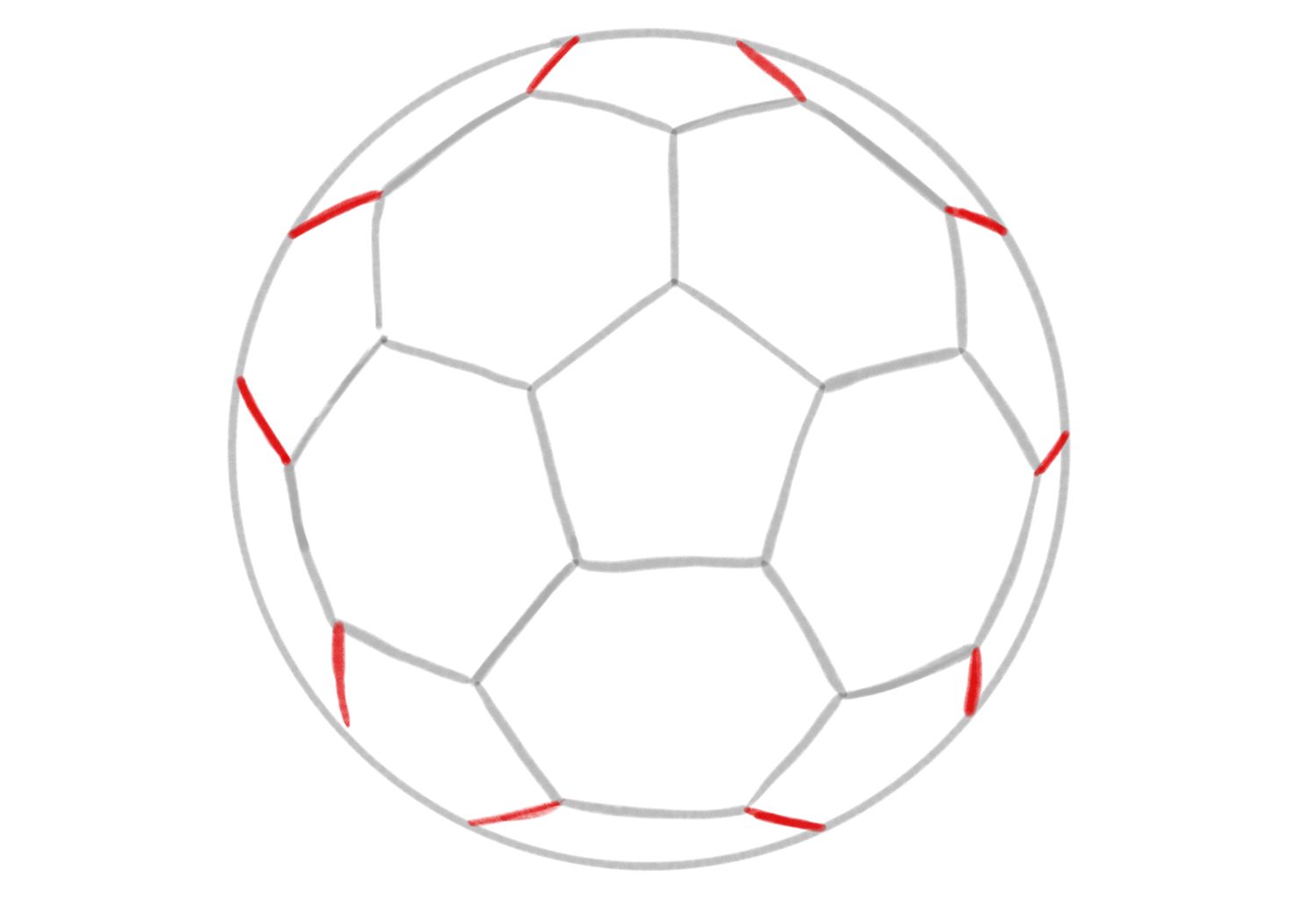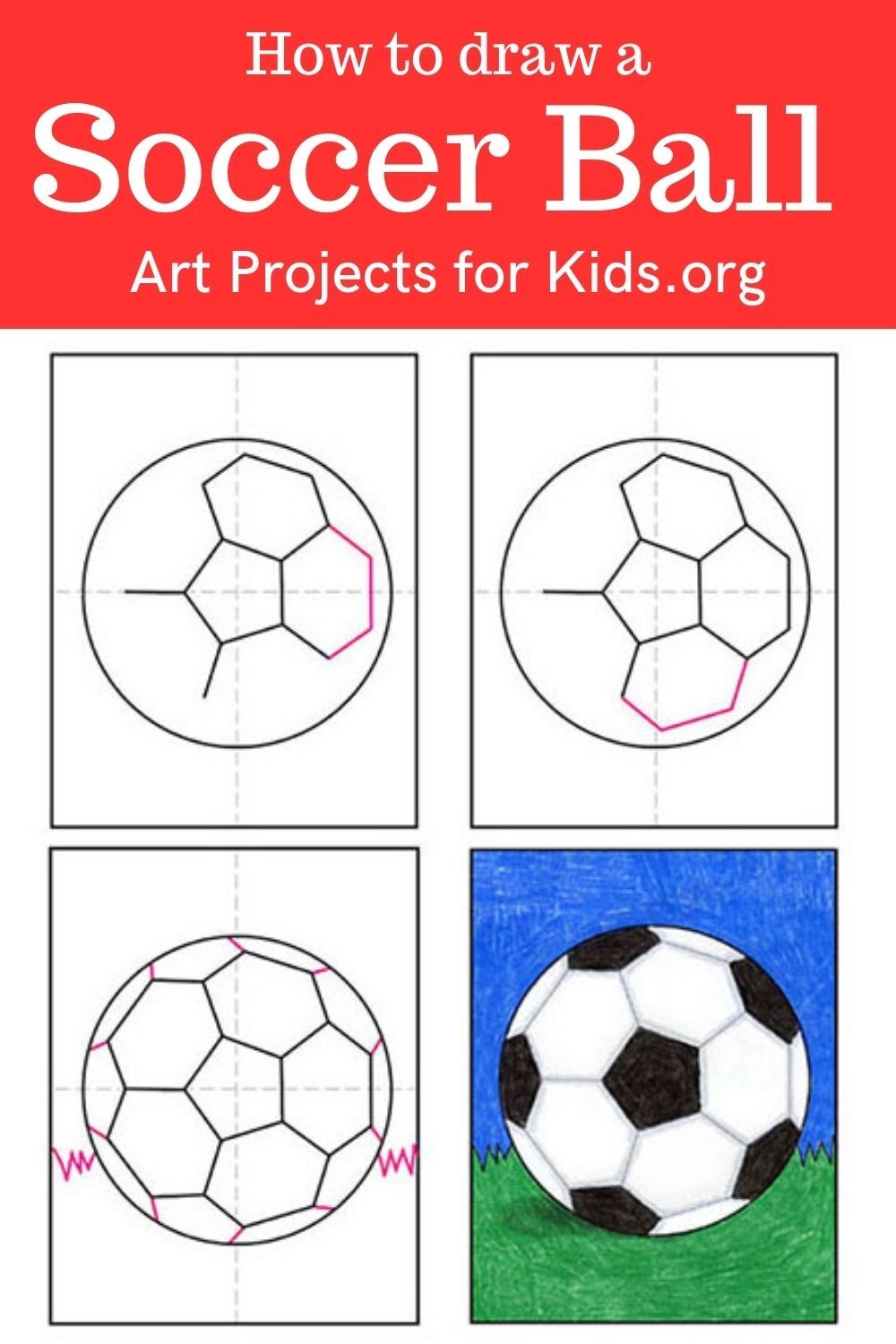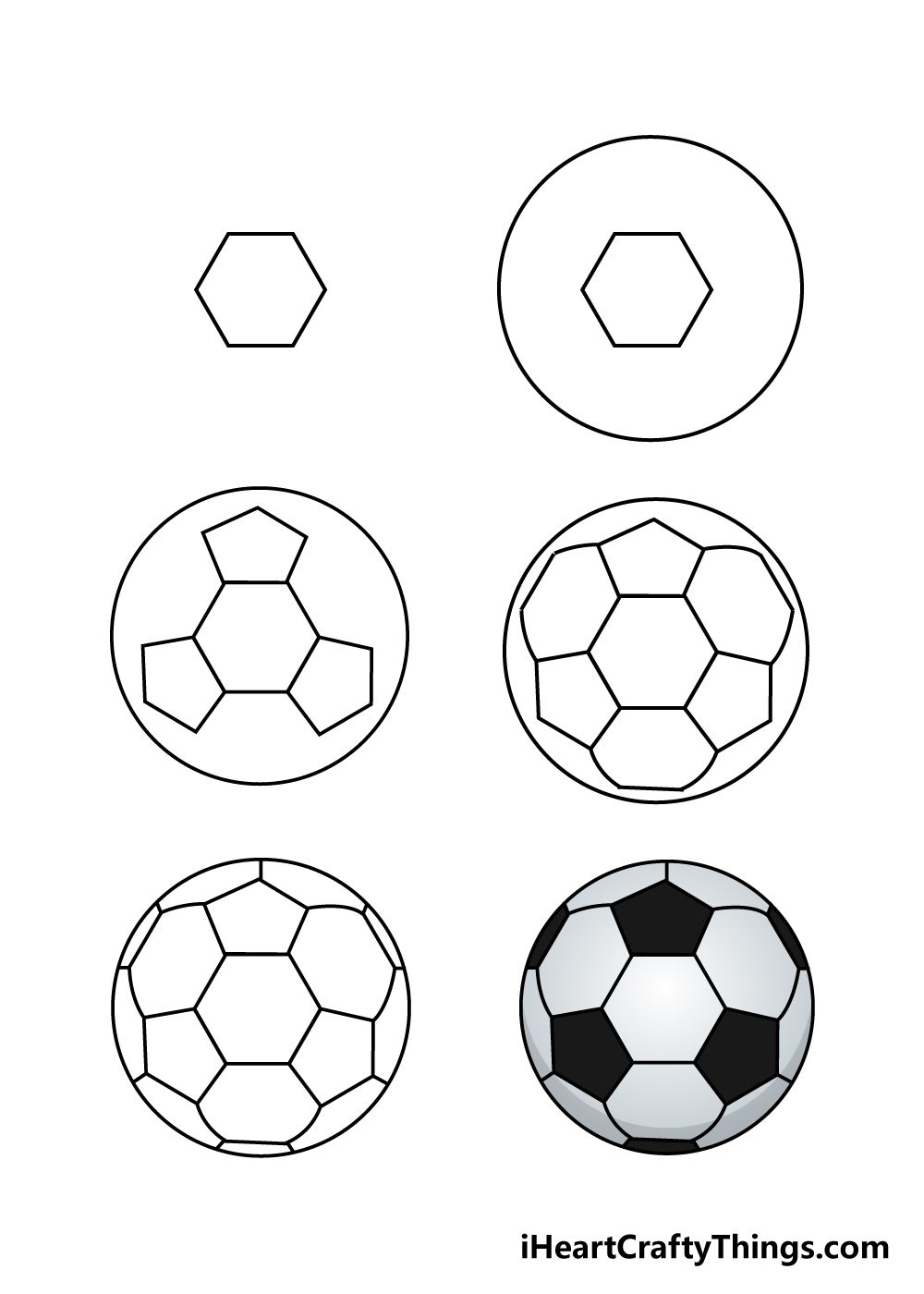
I’ve always been fascinated by how something as simple as a soccer ball can become a canvas for creativity. Whether you’re sketching for fun or designing a logo, knowing how to draw a soccer ball accurately makes a difference. The first time I tried, my hexagons looked more like lopsided diamonds, and the circles? Let’s just say they weren’t round. After countless attempts and a few crumpled papers, I’ve honed a method that works every time. It starts with understanding the ball’s structure—a mix of pentagons and hexagons—and ends with shading that gives it a three-dimensional pop. Here’s how I do it.
Understanding the Soccer Ball’s Design
A standard soccer ball, like the Adidas Telstar or Brazuca, is made up of 12 black pentagons and 20 white hexagons. This pattern, known as a truncated icosahedron, is what gives the ball its iconic look. The key to drawing it convincingly lies in getting the proportions right. I’ve found that starting with a circle as the base helps maintain symmetry. From there, dividing the circle into equal sections ensures the shapes align perfectly.
Step-by-Step Drawing Process
Begin by drawing a circle. This will be the outline of your soccer ball. Next, sketch a smaller circle inside it to create a band around the edge. Divide the outer circle into six equal sections using light pencil lines. These will guide the placement of your pentagons and hexagons. Start by drawing a pentagon at the top, then add hexagons around it, ensuring they touch the pentagon’s sides. Repeat this pattern, alternating between pentagons and hexagons until the circle is filled. I’ve learned that using a ruler for straight lines and a compass for circles saves time and improves accuracy.
Adding Depth and Detail
Once the basic structure is in place, it’s time to add depth. Shade the black pentagons completely, leaving the hexagons white. To make the ball look three-dimensional, add shading along the edges where the shapes meet. I use a blending stump to soften the shadows, giving it a more realistic appearance. If you’re using digital tools, a soft brush with low opacity works just as well.
✏️ Note: Avoid over-shading—too much can make the ball look flat or dirty. Subtle gradients are key.
Tools and Techniques That Make a Difference
While you can draw a soccer ball with just a pencil and paper, certain tools can elevate your work. I prefer a mechanical pencil with 0.5mm lead for precision and a kneaded eraser for clean corrections. For digital artists, software like Procreate or Adobe Illustrator offers layers and guides that simplify the process. Here’s a quick comparison of traditional vs. digital tools:
| Tool | Pros | Cons |
|---|---|---|
| Mechanical Pencil | Precise lines, easy to erase | Limited shading options |
| Procreate | Layers, unlimited undo, versatile brushes | Requires a tablet and stylus |
Common Mistakes to Avoid
One of the biggest mistakes I see beginners make is rushing the initial circle. If it’s not perfectly round, the entire design will look off. Another common error is uneven spacing between shapes. Always double-check your divisions before committing to ink or heavy shading. Lastly, don’t skip the shading step—a flat soccer ball lacks the visual appeal of a real one.
Drawing a soccer ball isn’t just about replicating its pattern; it’s about capturing its energy and movement. Once you master the basics, experiment with different styles—maybe add a kickstand or a player’s foot nearby. Honestly, the possibilities are endless. Keep practicing, and soon you’ll be able to sketch a soccer ball in under 10 minutes. Now, grab your pencil and give it a try—you might surprise yourself.
Related Terms:
- soccer ball drawing for kids
- realistic soccer ball drawing
- soccer ball drawing with patches